
What Are The Maintenance And Management Issues Of Anchor Drilling Rigs?
Sep 24, 2026
What are the maintenance and management issues of anchor drilling rigs?
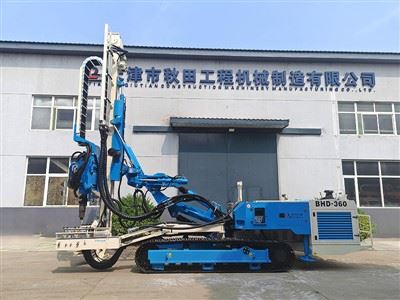
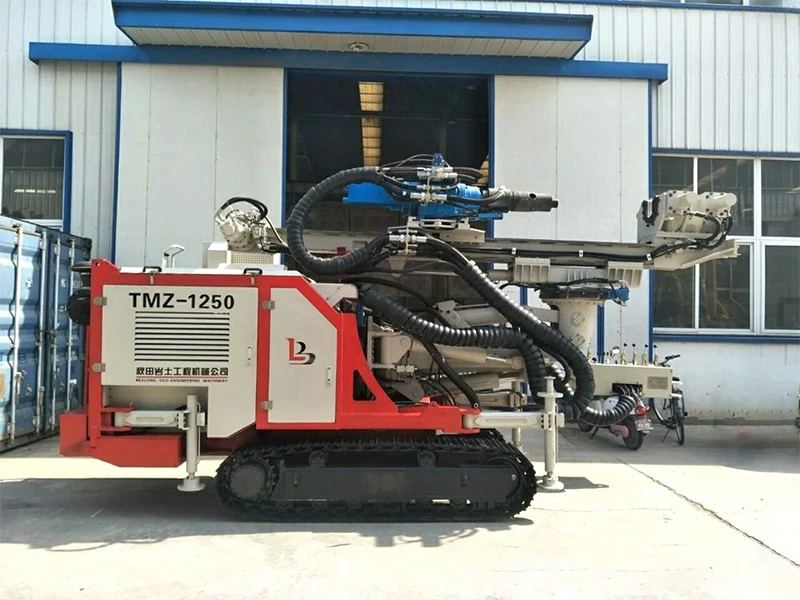
In the practice of hole-making construction in various complex strata and with different drilling methods, the excellent hole-making performance of anchor drilling RIGS has been recognized by many construction units and peers. However, some problems are inevitable in the use of anchor drilling RIGS. Now let's introduce to you what maintenance and management issues anchor drilling RIGS have?
1. In general, the selection of hydraulic system oil should meet the following requirements: It must not contain steam, air or other impurities that are prone to vaporization or vaporization. It has excellent lubricating performance and a very high liquid film strength. Has a high degree of chemical stability; Appropriate viscosity and good viscosity-temperature performance.
2. The hazards and preventive measures of oil contamination in hydraulic systems Hydraulic system contamination is a major cause of hydraulic failures. Contaminants mixed into the system will accelerate the wear, abrasion, burning and even damage of hydraulic parts, or cause valve malfunction or noise. It can cause movement disorders or even complete failure, lead to mismovements and accidents, etc. Therefore, it is necessary to strengthen management to prevent oil contamination and ensure the safe and reliable operation of the hydraulic system.
3. Hazards of Air Entering Hydraulic Systems and Preventive Measures: The oil used in hydraulic systems has very low compressibility, but the compressibility of low-pressure air is very high, approximately 10,000 times that of the oil. Even if there is a small amount of air in the system, its impact is significant and can cause system malfunctions.
4. Maintenance from the appearance, such as whether the joints are loose, whether there is oil leakage, whether there are cracks in the pipeline, etc. Before starting the pump, check whether the oil is added as required and whether the oil temperature is normal. When the temperature is below 10℃, it should be operated without load for more than 20 minutes (especially in winter). Pump start-up and post-start-up inspection: When starting the pump, it should be started in a start-stop manner to raise the oil temperature and ensure the smooth operation of the driving device before entering normal use. After the pump starts, it is also necessary to check whether there are any adverse phenomena such as cavitation, overheating and bubbles.